
Is Adopting A Rescue Dog Right For Me?
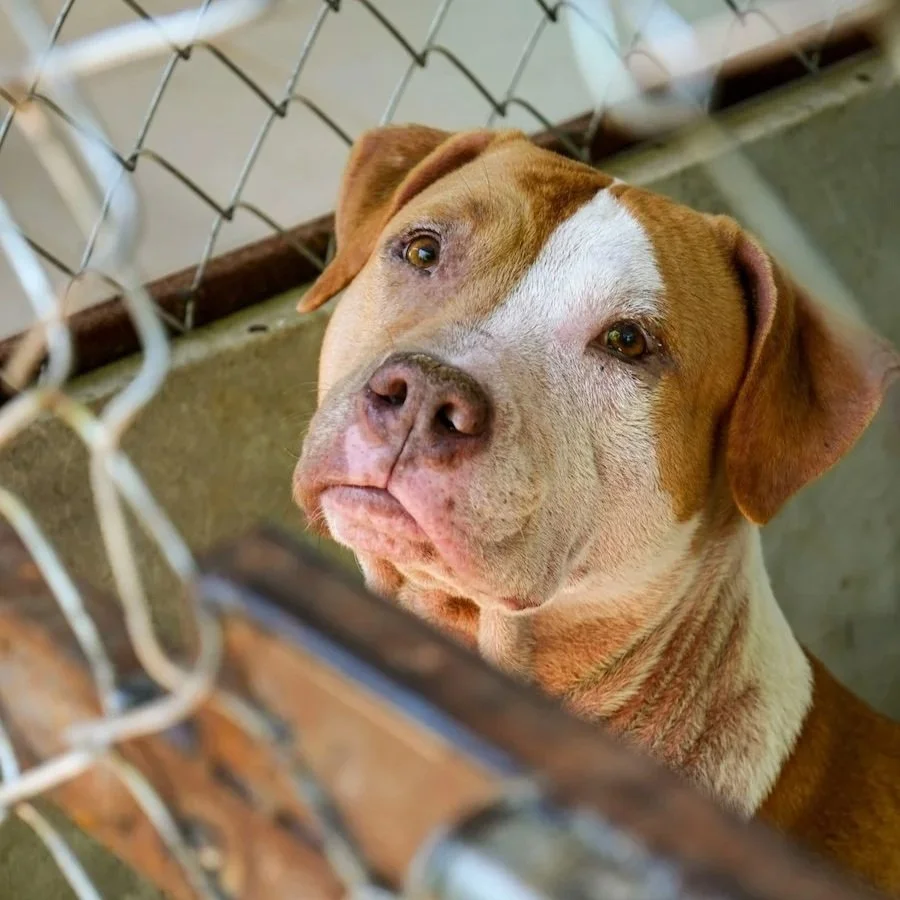
In This Blog You Will Find:
A few questions to help you decide if a rescue dog is the right fit for your life right now.
What to look for in a reputable rescue or shelter.
So, you’ve realized that you want to welcome a dog into your home. How exciting! As a dog parent myself, I know firsthand that dogs can be wonderful companions and the source of limitless joy.
Now that you’ve decided you’re ready for a dog, the question becomes, will you adopt or select a puppy from a breeder?
My furry best friend, Fendi, was a rescue, and I adopted Iggy from a local shelter when he was 13 months old. If you’re leaning toward adoption, I want to acknowledge what a compassionate choice that is.
At the same time, rescue adoptions can come with a few more unknowns than starting with a puppy. Many rescue dogs need time to settle, decompress, and learn what “home” means. Before you fall in love with those puppy eyes at the shelter, it’s worth taking an honest look at your time, lifestyle, and support system—so you can set both you and your dog up for success.
I’ve written a list of questions for you to ponder and review with your family, friends, or partner—whoever will be an integral part of your dog's life—so you can make the best choice for both you and the dog. Let's begin!

Are You Adopting Impulsively?
Maybe you saw a dog online and felt that instant pull—or maybe a friend who volunteers at a local shelter texted you a photo that tugged at your heartstrings. Totally normal. Those posts are meant to help dogs get noticed and find homes.
Just make sure you’re choosing a good match, not just a big feeling.
Before you apply or commit, pause and zoom out to real life: the day-to-day responsibility, the adjustment period at the start, and the time, patience, and support it can take to help a rescue dog settle in and adapt to her new world.
Falling in love is easy. Making a good match takes a little more thought. Adoption is a long-term commitment that includes training, vet care, daily exercise, and the time it takes for a dog to settle into home life.
Ask yourself: Am I ready for life with this dog—or am I caught up in the moment?

Are You A First-Time Dog Owner?
Adopting a rescue can be a bigger undertaking than starting with a puppy from a reputable breeder, simply because there’s often less predictability at the beginning. Temperament and energy level can look different in a shelter environment, and many dogs need time to decompress before their true personality comes through. If adoption is still your goal, consider a foster-based rescue where the dog has been living in a home—you’ll get a clearer picture of what day-to-day life will really be like.
And if you’re a first-time dog owner but adoption is still your goal, choose the most predictable rescue situation you can. A foster-based rescue is ideal, because the dog has been living in a home, and you’ll get real feedback on things like energy level, house training, how well the dog does being left alone, and comfort around people and other pets. Another great option is adopting a dog who’s being rehomed, where the current owner can share honest day-to-day details about what life with that dog is really like.
Are You Adopting From a Reputable Foster Organization?
Not all rescue organizations are created equal. A reputable rescue organization or animal shelter should prioritize successful, permanent placements—which means they want to help you and the dog transition into your new relationship. Some hints that the foster organization you are communicating with knows what they are doing and will be able to help match you to a suitable dog are the following:
The dog has been living in a foster home (or the rescue has knowledgeable staff/volunteers who can accurately evaluate when a dog is ready for adoption).
They understand the dog’s background and use clear, safety-based placement guidelines so the dog can succeed and everyone stays safe. For example, dogs with very limited socialization or a history of confinement may be placed with older children (or adults only) until the dog has shown they can stay calm and comfortable around the normal noise and movement of family life.
They can share practical, day-to-day information about the dog's personality, energy level, handling/touch tolerance, how the dog does being left alone, and any known fears or triggers.
They can explain the dog’s history when known, such as whether the dog was surrendered by a family, found as a stray, or came from a different environment (and what that might mean for settling in).
They provide recent photos and videos that show the dog in real-life situations (not just posed shots).
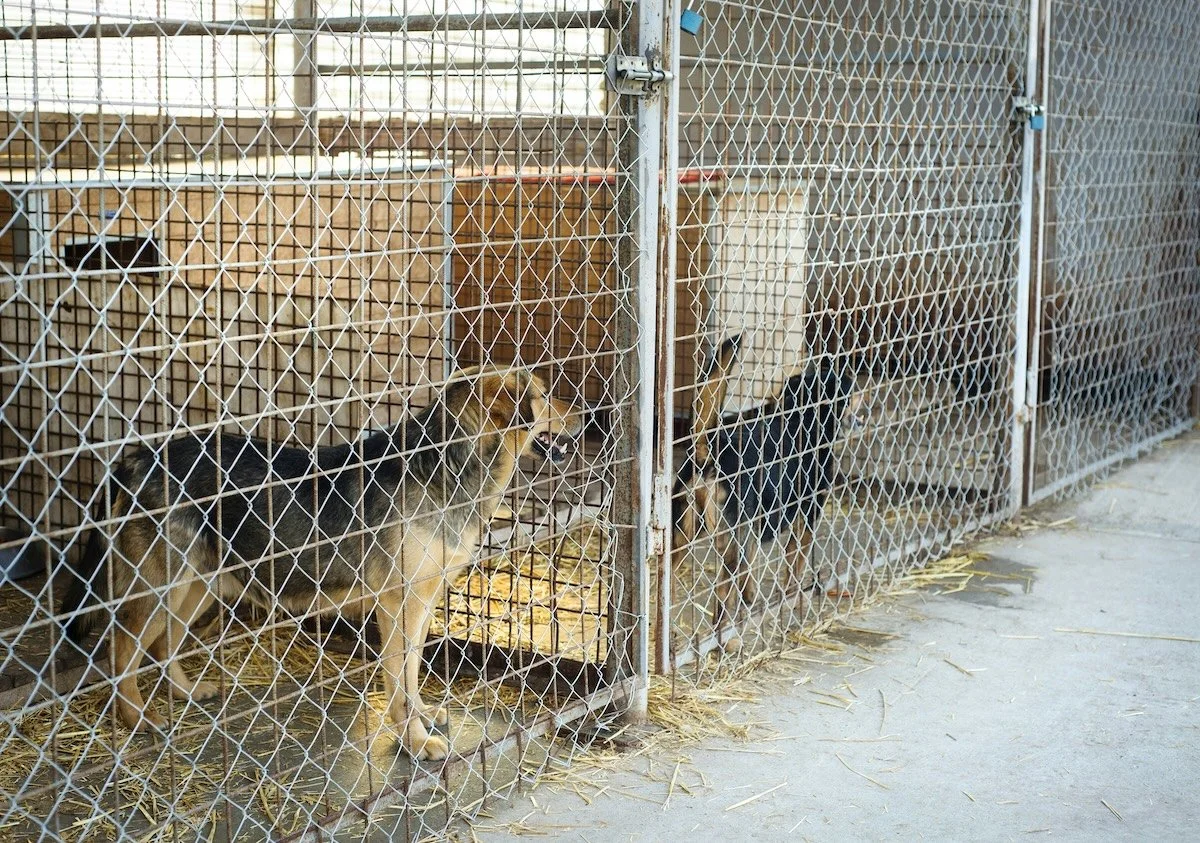
Do You Have the Time and Finances to Train Your Rescue?
Before you adopt, it’s worth asking: do you have the time to build new habits at home, and the budget for support if you need it?
Rescue dogs often arrive with habits shaped by their past—coping skills that helped them get through tough situations. The adjustment period is simply about helping your dog learn a new way of living so they can thrive in your home.
That might mean working through things like leash pulling, anxiety, overexcitement, barking, or reactivity. Reactivity isn’t “bad behaviour”—it’s often a dog saying, “I can’t handle this right now.” It can look like barking, lunging, freezing, or pulling toward or away from something.
Building routines and clear communication can make a big difference. A trainer who understands rescue dogs can help you take the guesswork out of the process and keep everyone safe and supported—especially in the first few months.
If you want companionship but have limited time right now, consider adopting a senior dog. Seniors are often calmer, may come with some built-in manners, and usually require less exercise than young adult dogs.
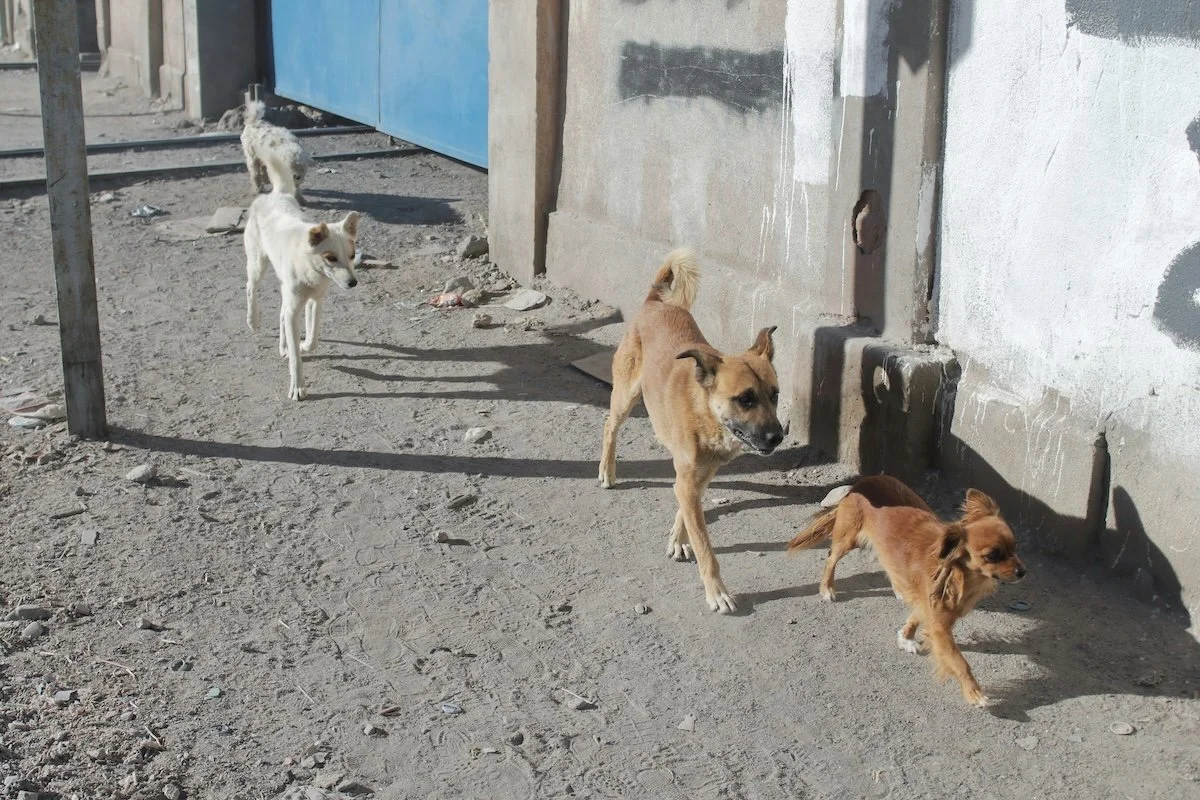
Some Final Parting Words - Addition Rescue Dog Adoption Factors to Consider
Adoption is important. As someone who has volunteered at a local shelter and worked closely with rescue dogs as a trainer, I’m always happy when someone chooses to adopt. At the same time, the goal is a successful, permanent match—so the dog doesn’t end up back in a shelter—not because anyone failed, but because the dog needed more support than the home could reasonably give at the time.
If you feel ready to adopt, here’s a final checklist to help you make a smart match:
Trial period/return policy: Ask whether there’s a window (for example, 30 days) to confirm the dog is the right fit, and make sure it’s written into the adoption agreement.
International adoptions: Confirm the organization has direct, firsthand information about the dog and can clearly describe the dog's temperament, daily behaviour, any known challenges, and background (owner-surrender vs. street dog).
Placement policies: Respect safety-based rules (kids, other pets, handling needs, housing, etc.). Those guidelines exist to protect your family and the dog—and to support a stable placement.
Known history: Ask what’s known about the dog’s past: “Was this dog surrendered by a family, found as a stray, or rescued from another situation?”
Home fit: Consider the dog’s size, energy level, and stress tolerance relative to your space, neighbourhood, and household routine.
Breed (or mix) reality check: Breed traits aren’t a guarantee, but they can help you anticipate exercise needs, drive, and common behaviour tendencies.
Do you have more questions about dog adoption? Or are you ready to get started with training?
If you’d like help choosing the right match—or building a clear plan once your dog comes home—I’m happy to help.
Sherri
